As we wrap up the year, we spoke with our strategy and design teams to get their take on what we should see more of from retailers in 2026.

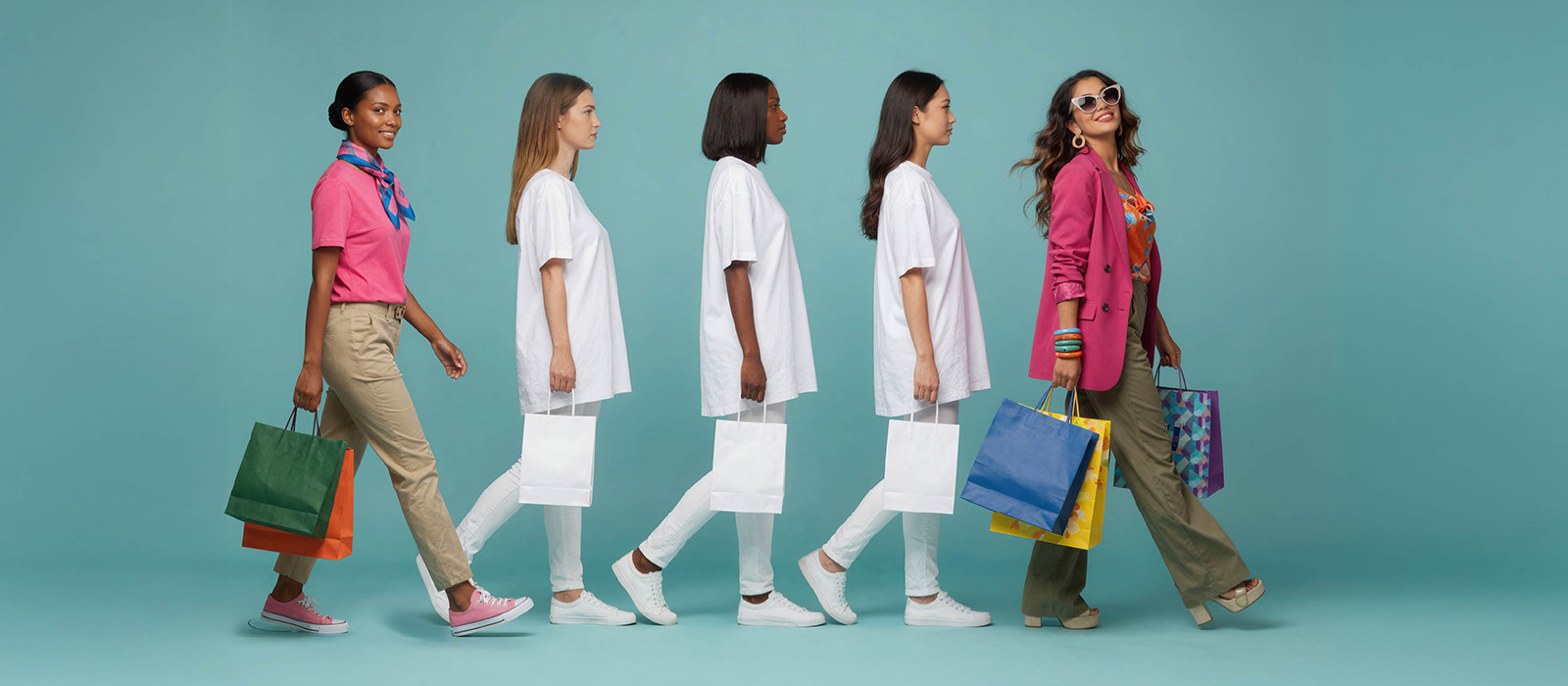
In ChangeUp’s recent evaluation of 200 retail and restaurant brands, we expected the household names to show up strong. You know, the ones that top every list for locations, brand value, and awareness. Instead, we found something startling: most of them are lumped together in the mass middle, barely distinguishable from brands a fraction of their size. Scale, it turns out, is not the same as appeal.
Most lists confirm our perceptions. The biggest brands show up in all the top 10 lists and win headlines. In harder times, the value players get highlighted on price and savings. The conventional wisdom says if you’re everywhere and visible you are winning…that presence drives preference. But preference is different than convenience.
Data from our latest in-store experience report tells a different story. It shows that having a brand and experience that resonates is a force multiplier. It makes a brand win hearts, not just show up. The middle-performing brands certainly capture consideration and win trips, but are easily substituted or merely satisfying in the moment, not winning fans in the long run.
Being at the top means you’re doing something right
If you’re leading our rankings, celebrate it. You’ve cracked the code on what makes people genuinely want your experience. You’re not just satisfying customers; you’re creating moments they remember and talk about. The brands at the top prove something important: distinctiveness wins. They’ve figured out how to turn routine trips into something people look forward to, earning their position by being irreplaceable in ways their competitors aren’t.
Being at the bottom tells you exactly what to fix
The clarity that comes with the bottom is that you know you have real problems. When visit desire is low, memories don’t form, let alone stick, and people replace you without a second thought. Those are concrete signals pointing to what needs fixing. Low scores across our key metrics reveal specific weaknesses in your experience. Whatever it is, you have a clear mandate for change.
The middle looks stable until suddenly it isn’t
But the middle? That’s where things get dangerous, precisely because everything seems fine. On the surface, the middle-performing brands appear calm, winning on tactics. Everyone knows them. Operations run smoothly. Same-store sales look reasonable. But dig into the actual experience people have, and warning signs appear.
Three things consistently separate leaders from brands that just blend in:
Do people actually want to visit? Not because there’s a coupon or urgent need, but because they genuinely want to go.
Do they remember the visit? Can they recall it fondly a few days later, or does it disappear into the blur of errands?
How easily can they be replaced? When there’s a long line or full parking lot, do people wait or just go somewhere else?
Leaders score high on all three. The mass-middle brands don’t. The result isn’t dramatic, it’s a slow fade. People start to think “good enough,” but the pull weakens. Visits leak away one choice at a time.
Squeezed from both directions
Strong brand experiences turn mundane errands into small stories that make people feel better about themselves. They choreograph repeatable moments that stick in how they greet you, the way the space feels, the rhythm of the visit. These details make coming back feel obvious rather than optional.
Value players keep their promise brutally clear: this trip is worth your time. Even when the decor is basic, the experience delivers because there’s always something new to discover. Fresh finds and great values show up often enough that the energy never dies.
Stuck in between, the middle brands’ old advantage becomes dead weight. Being everywhere and being fine stops working when customers can get roughly the same thing at five other places. At that point, even tiny disappointments tip the scale. The trip goes elsewhere, not out of frustration, but out of pure indifference.
“Good enough” hides the erosion
The danger of the middle isn’t catastrophic failure. It’s quiet ambivalence disguised as stability. Stores seem busy until they’re not. The physical world drops hints, but they’re easy to explain away:
Foot traffic flattens while your competitors edge ahead. Remodels become cosmetic touch-ups instead of real renewal. The product mix and menus feel boring rather than surprising. New stores slow down. Closures get spun as “portfolio optimization.”
None of this screams emergency on its own. Together, it signals gravitational loss. The P&L only makes it loud after the damage is done.
Design for recall, not just relief. “Frictionless” is lauded as table stakes, but some friction in the form of memorability is the moat. Build one or two signature moments into every visit that are human, repeatable, unmistakably yours. A guest should be able to tell a friend “the part I love is…” in a sentence.
Sustain some novelty. Freshness fuels energy at both ends. Newness doesn’t need to be expensive or disruptive. It needs to be visible and frequent. Provide small discoveries and let the space update with soft changes versus hard costs. Make them easy to notice and easy to share.
Make replacement harder. Get crystal clear on what you truly own and why you matter, then let it show everywhere. Express it in how the store looks, flows, and speaks. Loyalty programs can’t fix replaceability on their own. Felt difference can.
The bottom line
When it’s easy for shoppers to default to the next easiest option, adequacy is a trap. The retailers and restaurants that lead our survey aren’t just better, they’re harder to replace. They generate genuine desire to return, create memories that outlive the visit, and refresh themselves to stay relevant.
Everyone else risks becoming perfectly fine but quietly forgotten.
Download the full report: https://changeupinc.com/experience-report-2025/