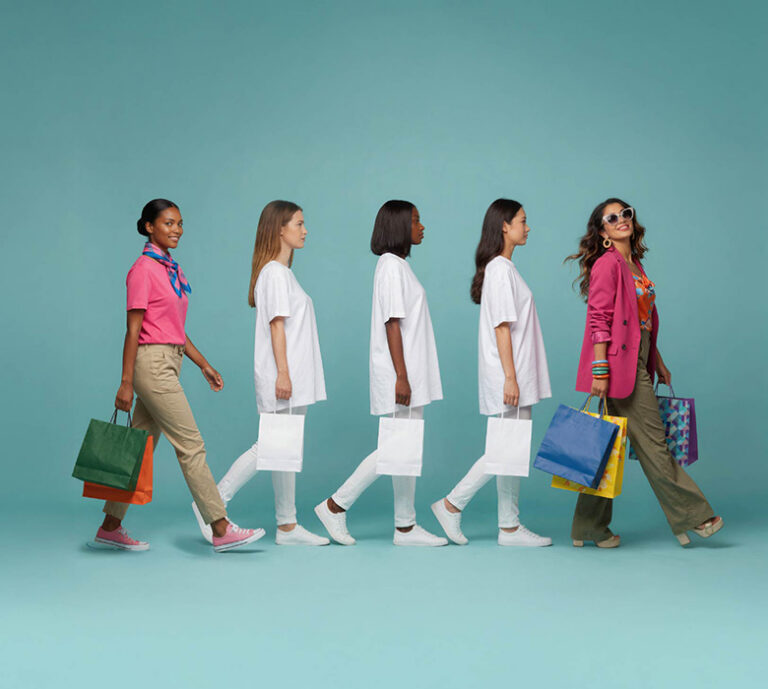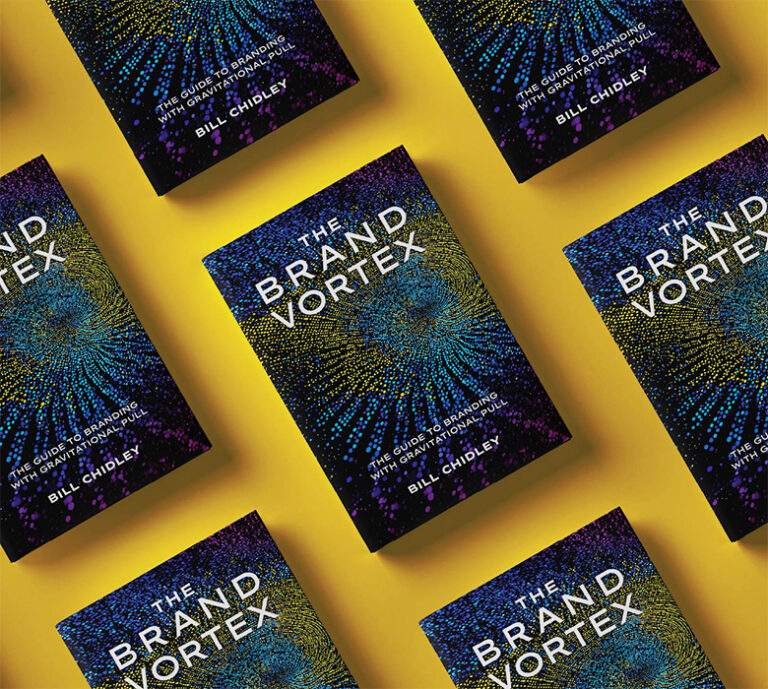

In VMSD, we explore what makes customers gravitate towards certain brands, and why attraction matters more than persuasion.

1. Retailers in 2026 have to nail two things at the same time: real value and a trip that actually feels worth it. Yes, people are trading down, but they still gravitate to brands that feel human, honest, and easy to deal with. The bright spots right now are simple journeys, promises kept, and AI used quietly in the background to make everything smoother. What’s falling flat are the generic promos, copy-paste store experiences, clunky BOPIS moments, and culture-war detours that pull focus from the one thing shoppers want most: everyday trust.
2. AI will continue to expand, amaze, and weave itself into how brands show up, but I predict a revolt against artifice as consumers seek authenticity and become better at distinguishing what feels innately human and genuinely connective. I imagine like-minded brands partnering in retail to form a new community of commerce that delivers more lifestyle-driven, built expressions focused on real connection and tangible, human-centered experiences.
3. In the age of digital fatigue, Canva templates, and AI-generated slop – I’m predicting a huge uptick in old world symbolism, heritage plays, nostalgic aesthetics, and a craving for the past. Historic font revivals, ornate design cues, cozy environments, nooks & crannies, products that feel collectable, deep color tones, displays that tell a lived-in story vs. massed out shelving. We’re already seeing major brands play in this trend space. The Graeters rebrand is a good example of weaving nostalgia into the modern age. Similar, but a different side of that coin: Bold, expressive vibes, celebrating imperfection, chaos, unexpected moves. It’s hard to streamline this vibe for mass rollout, but nothing good comes easy.
4. We’re seeing the death of the millennial brand right before our eyes. The defining principle that every single thing needs to be on-brand: ultra-clean aesthetics, sans serif fonts, modern minimalism, perfectly curated environments, sleek symmetry, and hyper-consistency. Boring. The Cracker Barrel rebrand is a good representation of the millennial aesthetic flop. It feels disingenuous to a world that’s moved on from aspirational curated perfection to favoring the realism of behind-the-scenes content in the age of the creator economy.
5. Throw the old rule book out and look to how fashion brands are breaking through by collaboration with other brands. That same idea should be applied to stores & experiences to open fresh and fun back into the retail landscape. Imagine a hardware store that had a barbershop & whiskey + cigar bar. In the age of spending more time in our homes than the last 100 years humans crave stimulating newness, especially when a little joy is sprinkled in.
6. There will be a growing global demand for brands that feel local – brands that demonstrate real investment in the communities where they operate. In 2026, the strongest retail players won’t just sell locally made products; they’ll embody a locally built ethos. That means sourcing regional materials for their store environments, partnering with nearby makers and fabricators, and crafting in-store narratives that clearly show where and who their investment supports. Customers will go out of their way to shop brands whose physical spaces make that commitment visible and tangible, giving retailers who adopt this approach a meaningful competitive edge.
7. Retailers that get it right will be cultural hubs. One of my fondest memories growing up was going to the mall. It was the place to see and be seen. You were able to explore the different shops and see where you belonged. They helped you to define your style. Unfortunately, many retailers are behaving in the same manner as they did 20 years ago, creating beautifully merchandised displays in the hopes you will walk in. But why, when I can scroll in the comfort of my home? Stores should be a statement of who you are as a brand, an invitation to become part of a community and feel connected, something that is much more difficult to achieve online.
8. We need to give shoppers a reason to return. The retailers that win will create experiences that: you can identify with, tell rich brand stories, connect on a human level, and go beyond just merchandising. We’re already seeing brands start to lean into what makes them unique/distinct. Arc’teryx is a great example of combining community, expertise, and best-in-class products into a climbing enthusiast’s destination experience. Ultimately, successful retail spaces will be a place to see, through captivating environments, and be seen, by making you feel like a part of the brand culture.
9. Shopping everywhere is the standard. The modern shopper doesn’t distinguish between online and offline – they expect to research on Instagram during their commute, check inventory on their laptop at lunch, and choose whether to pick up curbside or have it delivered, all without starting over. What was once called “omnichannel” is now simply how people shop, moving fluidly between 5-6 different touchpoints before making a purchase. The retailers winning understand that customers shouldn’t have to repeat themselves, re-enter information, or lose their cart just because they switched from mobile to desktop to store.
The data is clear: customers who shop across multiple channels spend significantly more and remain more loyal than single-channel shoppers. Retailers like Walmart, Costco, Sephora, and Lululemon have invested heavily in unified commerce platforms that recognize customers regardless of how they choose to engage. The expectation isn’t just convenience anymore; it’s that retailers do the heavy lifting to remember preferences, maintain context, and create a continuous experience. Brands that fail to integrate their channels aren’t just missing sales they’re training customers to shop with competitors who make it effortless.
10. Beyond bargain private labels will rise: Private label brands have crossed a threshold. They’re no longer seen as the “cheap alternative” but as legitimate choices that rival or exceed national brands in quality. Retailers have invested heavily in elevating their store brands from basic knockoffs to sophisticated product lines spanning value, mid-tier, and premium segments. More than 80% of U.S. consumers rate the quality of private-brand food products the same or better than national brands, and nearly 90% feel that private brands offer similar or better value. Private label sales hit a record $271 billion in 2024, growing 3.9%—significantly outpacing national brands, which grew only 1%. This isn’t just about price. The premium tier of private label grew 76% from 2021 to present, compared to 35% for the value tier, proving consumers are choosing store brands across all price points.
Gen Z is leading the charge, valuing the quality, packaging, and innovation of store brands from retailers like Target and Trader Joe’s – not compromising, but actively choosing brands that deliver trust, authenticity, and innovation.
11. In 2026, stores of all types need to be more social and conversational with shoppers. With fewer associates on the sales floor at any given time, retailers need to have the space itself to do more of the heavy lifting and start having more conversations with shoppers. This means more integrated signage, displays, and experiences that work harder to tell your unique story. Your brand has a voice, use the space to speak.
12. With today’s more conscious consumer, I would love to see more brands following the growing trend of circular business models. This is a long familiar concept for brands like Patagonia or REI, but more retailers are beginning to embrace the practice of offering repair services, trade-in programs, upcycling, rentals, or setting up their own in-house resale platforms. This move would capture both eco-conscious and value-driven shoppers, creating an easier entry point for what could otherwise be unattainable for some consumers.