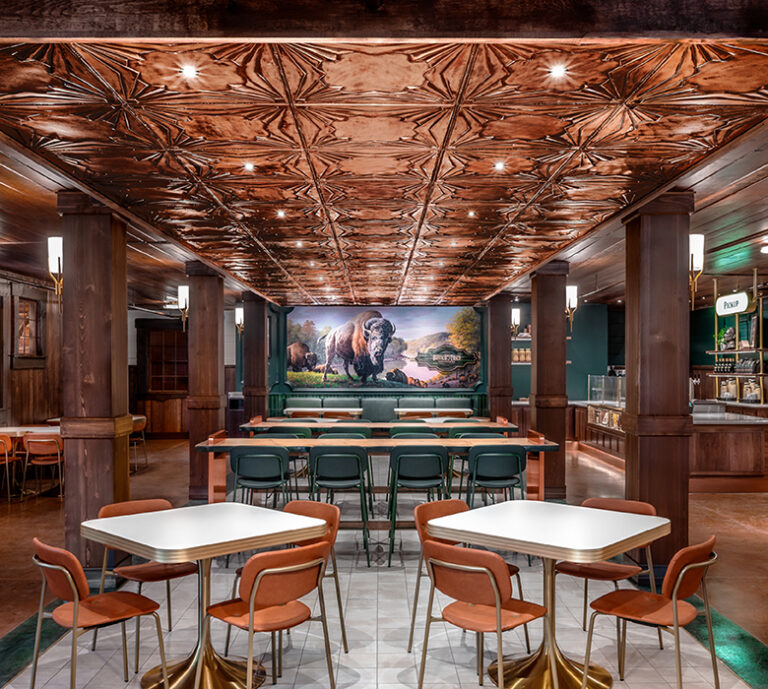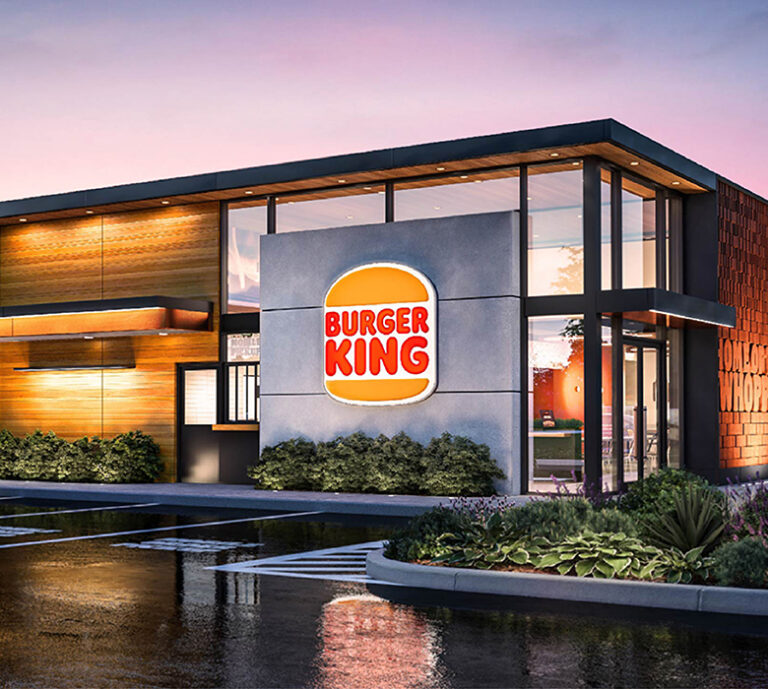
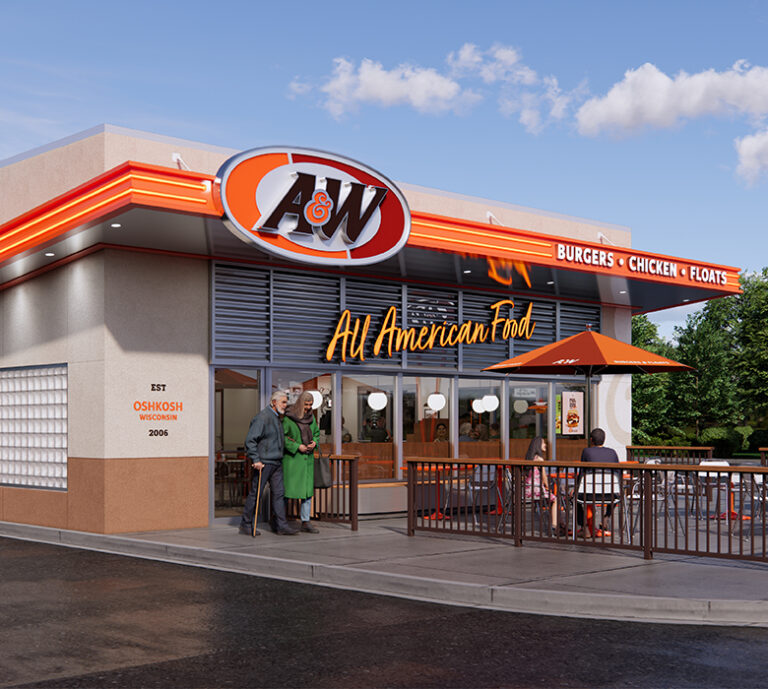
Nation's Restaurant News gives a first look at our work with A&W, developing their new restaurant prototype of the future.

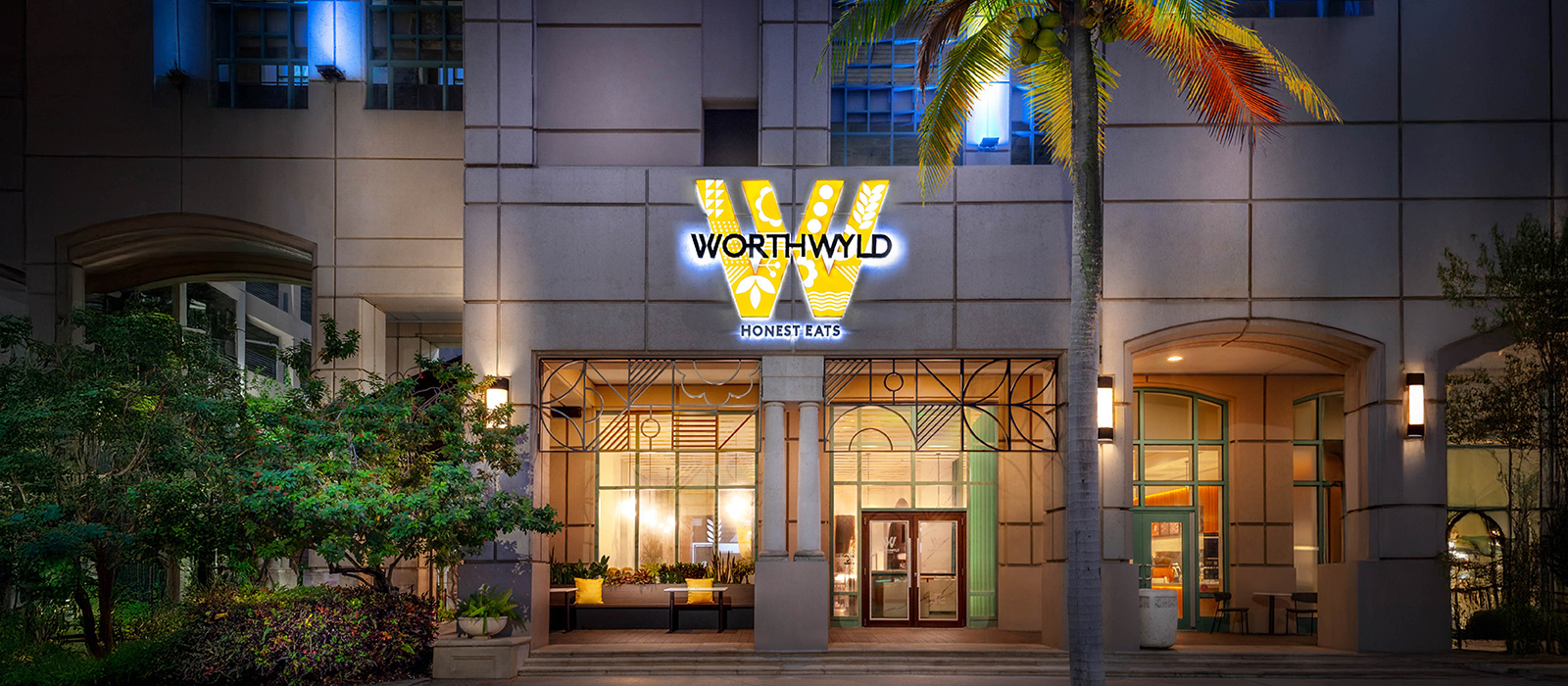
For decades, restaurant rebrands were largely aesthetic, even when new visual identities extended into remodels. Customers today expect more to draw them into dining rooms over ordering delivery, seeking multisensory experiences while preserving the basics of good food, service, affordability and convenience.
Within those expectations, there’s a huge opportunity for restaurant brands. According to a late 2024 study by brand strategy and retail design firm ChangeUp, three out of four people value the restaurant experience over price and convenience.
In its 2025 Experience Report released in October, ChangeUp offers a ranking of the top 50 retail and restaurant brands that resonate with customers, based on insights from 6,000 consumers, 300,000 data points and AI-powered sentiment analysis. Citing “a year of reckoning for retail and restaurant brands with higher labour costs, volatile tariffs and steady price increases,” the report states that consumers are especially discerning about where to dine out, if at all.
Of the nine restaurant brands that made the list, In-N-Out Burger and Texas Roadhouse were the only two to crack the top 20.
The takeaway? To shape the future beyond mere survival, restaurant brands must focus on how they make people feel. When a brand changes, the aim is to show audiences a difference without feeling distance, managing the tension between comfort and curiosity and mitigating the risks of alienation and irrelevance.
This delicate balancing act should begin with listening and casting a wide net while doing so, says ChangeUp creative director Marty McCauley.